38 harp pedals diagram
Composer Mary Elizabeth says, "the plug-in that adds harp pedal diagrams, by Neil Sands, was for me an educational tool as well as a notational one." Permissions and Sources: Drawing of five harps is from Mel Bay Publications' Basic Harp for Beginners, by Laurie Riley, MB#95109. Harp Pedal Diagram The pedal harp is a large and technically modern harp, designed primarily for art music and may be played either solo, as part of a chamber ensemble, or in an. The lever harp and the pedal harp are the two most prevalent harps today and are . Pedal diagrams are commonly used by harpists because they are quick to .
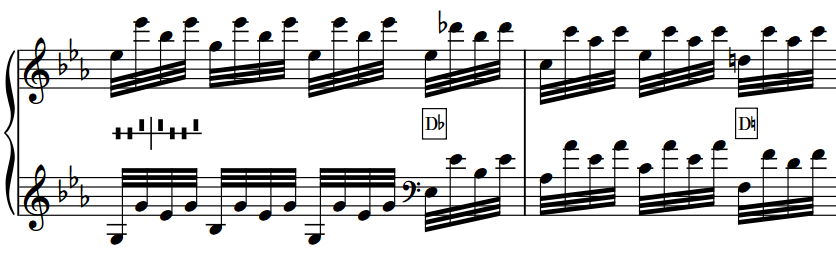
Harp pedal diagram, from Behind Bars However, with a bit of study, a composer or orchestrator can make good use of these diagrams as a shorthand to communicate with the harpist. This can be most effective on glissandi, where space might be tight, and the pedal diagram is the most direct way to convey the notes.

Harp pedals diagram
Harp Gliss From Pedal Diagram, by Bob Zawalich, is a front end for Ian's Harp Gliss plug-in, which must be installed before this plug-in is run. It looks for any harp pedal diagrams or tuning text that come before the notes selected for a harp gliss, and calls Harp Gliss with the tuning string already set up based on the diagrams or tunings. Positions of harp pedal diagrams. By default, harp pedal diagrams are centered vertically between the two staves usually shown for harps. Partial harp pedaling. Partial harp pedal diagrams only show the notes whose pedal setting must change at that position, rather than showing the required settings for all pedals. Harp pedal diagrams. You can create a pedal diagram easily using the Shape Designer. You’ll save time, however, if you simply use the Harp Pedal library included with Finale. To load the Harp Pedal library into your score. Choose File > Load Library. The Load Library dialog box appears. Navigate to your Miscellaneous folder and double-click ...
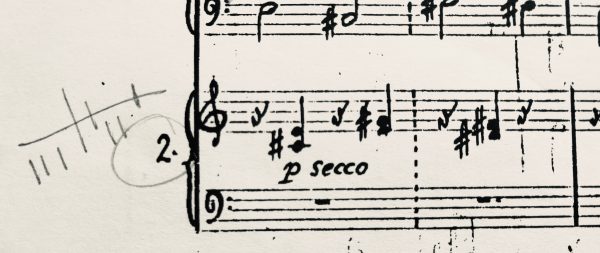
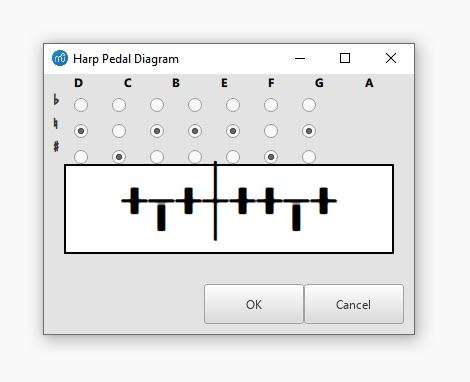
Harp pedals diagram. Pedal diagrams: Harpists must always set their pedals before playing. Pedal diagrams are helpful but not essential. Ideally draw the first diagram. The diagrams are visual representations of the pedals in their notches. For example, the above diagram would tell me to set D♭ C♮ B♭ E♭ F♮ G ♯ A♭ Usage Select the measure or chord where you want the pedal diagram to appear. (It will not run if you select a single note). Run the "Harp Pedal Diagram" plugin from the plugins menu. a. Select the positions you want for each pedal b. Click OK c. The pedal diagram appears as plain text (STAFF_TEXT) above the staff you chose. Harp pedaling can be shown as a diagram or using note names. You can change the appearance of harp pedal diagrams individually, independently of your project-wide setting. You can do this for the current layout and frame chain only or for all layouts and frame chains. Prerequisite Harp pedaling is shown in the current layout. Is it possible to create a harp pedal diagram on a keyboard part? I am attempting to use IRV when making an MT keyboard part, and in this situation the keyboardist is playing harp glisses, so I wanted to enter a harp pedal diagram and hide it for playback purposes. This doesn't seem to be possible though. As an extension of this question, as it somewhat relates, I'm interested in the ...
HP Diagram $ 4.99 HP Diagram is a font dedicated to Harp Pedal Diagrams. It can be easily used in any music notation software. This font allows the Composer/Orchestrator or Engraver to easily enter the desired harp tuning in any order they wish without having to follow the pedal diagram order. — OR — Add to cart Sold By: Jawher Matmati The harp pedal diagram plugin is used for creating documentary pedal diagrams to appear on the score at specific places - the plugin has no role in playback, and the diagrams on the printed score are used to guide the harpist. Intuitively I expected to be able to create a pedal diagram by clicking a specific note, as when entering Stave Text ... The corresponding harp pedal diagram is input at the selected rhythmic position. Depending on your per-layout settings, it is either displayed as a diagram, using note names, or not shown and instead indicated by a signpost. During note input, harp pedal diagrams are input at the caret position. There are 21 LED lights on a little screen, arranged in the corresponding positions of the pedals - 3 rows x 7 columns. The unit is attached to the top of the base of the harp. Each pedal is equipped with a sensor, which lights up the corresponding light on the matrix, which then displays the pedal diagram perfectly.
1) Pedal diagrams should be put in occasionally at places that would be logical starting points when practicing. They shouldn’t be put in every time there is a pedal change. Diagrams(the Salzedo type diagram is what I’m talking about) should be put above the staff. There are also a growing number of harp support plugins for Sibelius to automate the process of creating harp pedaling notation (and playback), as outlined in this article by Bob Zawalich on the Sibeliusblog. A very simple, quick and direct method is to use the pedal diagrams available in the Contextual Word Menu for Technique Text. Harp pedal diagrams can be created using a series of manually adjusted expressions from the Harp Pedal library included with Finale or by using characters from the Engraver Font T/H/NCS Character Set to create a single expression. Pedal settings can be created and displayed by using either the Expression tool or the Text tool . Answer (1 of 6): The pedal harp is one of the hardest instruments to score for, because you have to constantly be aware that you're dealing with a diatonic instrument, and if you're going to change up the key, you must give the harpist enough time with rests in the score to set the pedals and be ...
Practicing for Any Contingency (Part 3): Six Ways to Prepare ...
This can be controlled for all diagrams in the project using Engraving Options, or for individual diagrams using the properties panel. You can choose to display full harp pedal changes using note names or a diagram. This can be set on a per-layout basis, using Layout Options, or for individual pedal changes using the properties panel.

The Harp
In Dorico Pro, you can show harp pedaling in the following ways: Diagram Indicates the physical positions of the seven pedals. The vertical line represents the split between left-foot and right-foot pedals and the horizontal line represents the natural position. Pedals below the horizontal line indicate sharpened notes.

Harp pedal diagrams question - Dorico - Steinberg Forums
In Dorico Pro, you can show harp pedaling in the following ways: Diagram Indicates the physical positions of the seven pedals. The vertical line represents the split between left-foot and right-foot pedals and the horizontal line represents the natural position. Pedals below the horizontal line indicate sharpened notes.

Create harp diagrams in Sibelius, Finale, and MuseScore ...
To automatically add pedal changes, go to Home/Plugins/Add Harp Pedaling, and set the desired options: If you don't want to apply pedals to the entire score, select a passage before opening the plugin. Choose "diagram". Set unused strings to "natural". Keep the default setting of 6 seconds to change all pedals.

Create harp diagrams in Sibelius, Finale, and MuseScore ...
Harp pedal diagrams can be created using a series of manually adjusted expressions from the Harp Pedal library included with Finale or by using characters from the Engraver Font T/H/NCS Character Set to create a single expression. Pedal settings can be created and displayed by using either the Expression tool or the Text tool .

Dorico 3 feature: Harp pedaling - Scoring Notes
Harpists use a diagram to indicate the positions of the pedals. The order of the pedal marks from left to right corresponds to the order of the pedals on the harp: D, C, B, E, F, G, A, with a separator between the B and E to distinguish among the pedals operated by the left and right feet.

Writing for the Harp | Berklee
Any pedal diagram can be selected and edited by pressing Enter. The diagrams can be done in diagram format, which is useful for the beginning of a flow, a new section after many bars of rests, or a reminder of the "state of the harp" at appropriate moments. For the remainder of a part, they can be written as partial pedal changes with note names.

back to basics | isp
You can create a pedal diagram easily using the Shape Designer. You’ll save time, however, if you simply use the Harp Pedal library included with Finale. To load the Harp Pedal library into your score Choose File > Load Library. The Load Library dialog box appears. Navigate to your Miscellaneous folder and double-click the Harp Diagram library.
Pedal harp - Wikipedia
A pedal diagram is a way to indicate the position of the pedals at a certain time. The pedal diagram gives the harpist the possibility to see at a glance the position of the pedals. A long vertical line indicates the division between right and left foot. The seven shorter vertical lines indicate one pedal each. A pedal diagram.
Pedal mechanism / HARP NOTATION
In Dorico Pro, you can show harp pedaling in the following ways: Diagram Indicates the physical positions of the seven pedals. The vertical line represents the split between left-foot and right-foot pedals and the horizontal line represents the natural position. Pedals below the horizontal line indicate sharpened notes.

6-Definition of characteristic angles for the harpists ...
Lever position and Pedal diagrams for major and minor keys. The Circle of Fifths with pedal harp diagrams and more..

Good Footing (all about harp pedals) | Harp My Day
pedal diagrams You can create a pedal diagram easily, See also Harp Pedalingin the Finale Engraver Font. You’ll save time, however, if you simply use the Harp Pedal Library provided with your Finale package. To load the Harp Pedal Library into your score: Choose File> Load Library. The Load Library dialog box appears.
Solved The harp is a stringed musical instrument that has a ...
Harp pedal diagrams. You can create a pedal diagram easily using the Shape Designer. You’ll save time, however, if you simply use the Harp Pedal library included with Finale. To load the Harp Pedal library into your score. Choose File > Load Library. The Load Library dialog box appears. Navigate to your Miscellaneous folder and double-click ...
Harp Spectrum
Positions of harp pedal diagrams. By default, harp pedal diagrams are centered vertically between the two staves usually shown for harps. Partial harp pedaling. Partial harp pedal diagrams only show the notes whose pedal setting must change at that position, rather than showing the required settings for all pedals.
Material Properties and the Modes of Vibration of the Concert ...
Harp Gliss From Pedal Diagram, by Bob Zawalich, is a front end for Ian's Harp Gliss plug-in, which must be installed before this plug-in is run. It looks for any harp pedal diagrams or tuning text that come before the notes selected for a harp gliss, and calls Harp Gliss with the tuning string already set up based on the diagrams or tunings.

NEW: SYNCHRON HARP - Vienna Symphonic Library

hworks

For Composers | Harp Inside Out
Harp pedaling

Dorico refuses to give me harp diagram - Dorico - Steinberg ...
About Harps - by Thormahlen Harps

Orchestration Tip: Harp Pedal Shortcuts

Create harp diagrams in Sibelius, Finale, and MuseScore ...
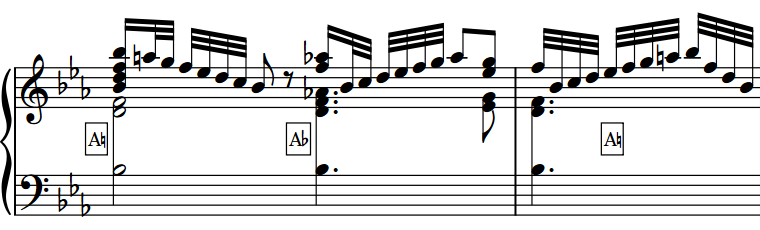
Partial harp pedaling
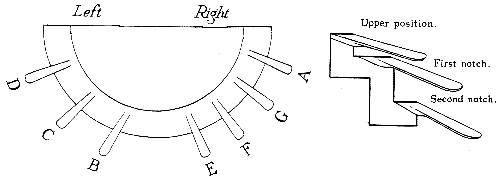
Harp Pedal Help! - Advice and Techniques
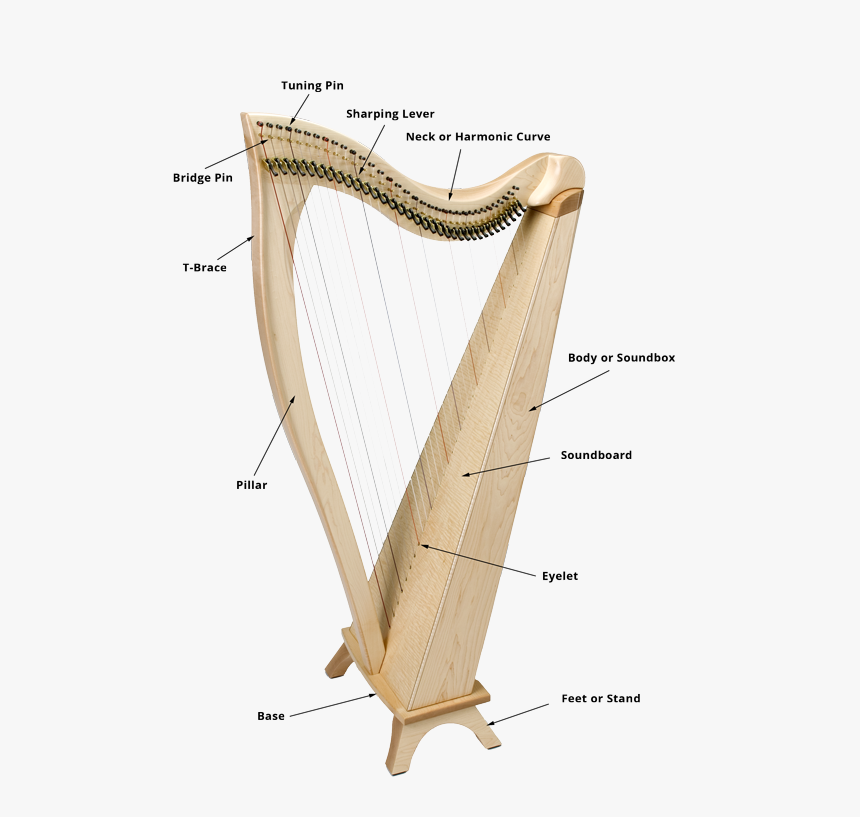
Diagram Of Fh34 Lever Harp With Parts Labeled - Soundboard ...

Harp pedal diagrams and settings

Plugins

Cinematic Composing

Hannah the Harpist: A Diagram of the Harp

Scoring Notes Twitter'da: "Looking for a better way to enter ...

My Life Becoming in Lazy Circles | One man's journey around ...
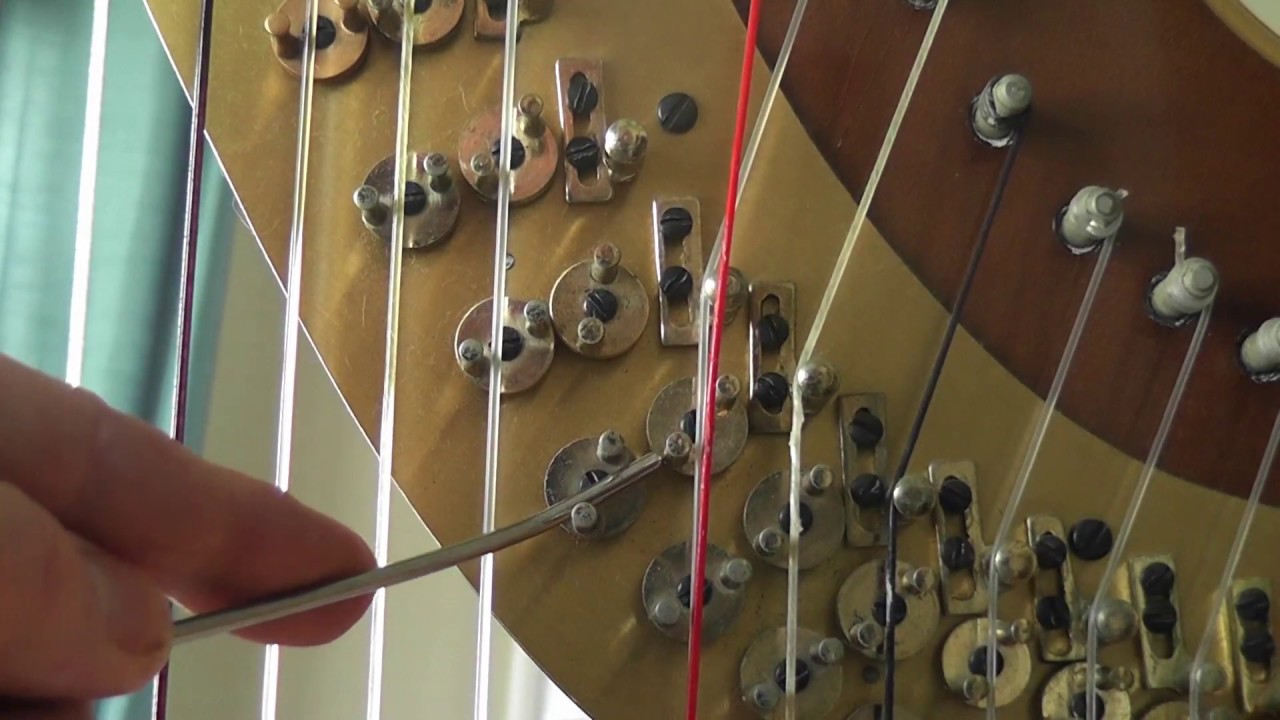
Pedal Harp Disc Adjustment
How harp is made - material, making, history, used, parts ...
MTO 22.4: Gotham, Pitch Properties of the Pedal Harp
Harp pedal diagram | MuseScore

Harp pedal diagrams question - Dorico - Steinberg Forums

Choose your Harp | Harp School


Comments
Post a Comment