40 biconvex lens ray diagram
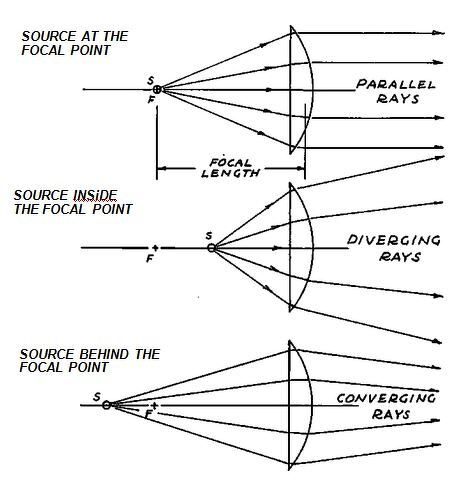
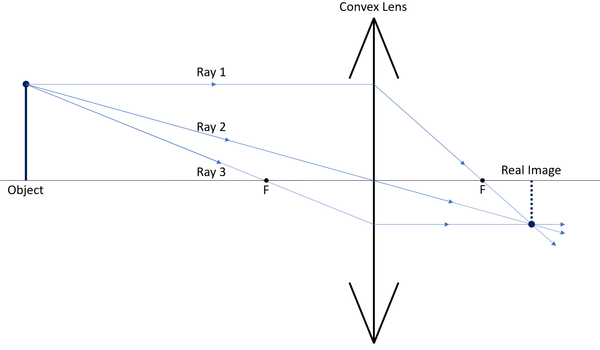
optics - Calculated focus of an asymmetric bi-convex lens ... 1 You can see that the top line in the second image is parallel to the lines in the first image and it does also go through the focal point. It just it shown continuing on to the image location. Only a collimated beam normal to the center of the lens where all lines are parallel and perpendicular to the lens plane will converge at the focal point. Choose the correct ray diagram of a thin equi-convex lens ... Choose the correct ray diagram of a thin equi-convex lens which is cut as shown in the figure : A B C D Medium Solution Verified by Toppr Correct option is C) Parallel incident rays converge at focal point, In this case focal length of upper half and lower half are different.
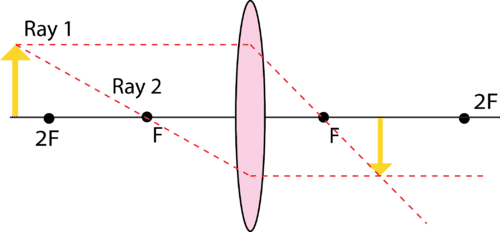
Converging Lenses - Ray Diagrams - Physics Classroom The description is applied to the task of drawing a ray diagram for an object located beyond the 2F point of a double convex lens. 1. Pick a point on the top of the object and draw three incident rays traveling towards the lens. Using a straight edge, accurately draw one ray so that it passes exactly through the focal point on the way to the lens.

Biconvex lens ray diagram
a 6. (10 pts) A bi-convex (convergent) lens has a | Chegg.com a 6. (10 pts) A bi-convex (convergent) lens has a focal length of 15 cm. a) If 2-cm high object is placed at 12 cm in front of the lens what would be the height of the image? b) Draw a ray diagram. c) Can the image be cast on a screen? Biconvex lenses - Physics classroom Treating this and drawing ray diagrams for a biconvex lens is essentially two refractions (one on the way into the lens and the other on the way out) along curved surfaces. So let's look at the steps necessary to draw the ray diagram for light going through a lens. First the incident ray travels to the lens at an angle θi Simplest Way To Draw Ray Diagrams For Convex Lenses ... How to draw perfect Concave & Convex lenses with pencil and Compasshttps:// for Image formation in concave & con...
Biconvex lens ray diagram. GCSE PHYSICS - Ray Diagram for an Image made by a Convex ... Ray Diagrams for Images made by a Convex Lens. The type of image made by a convex lens depends on how far away the object is. The first picture below shows how to draw a ray diagram for an object that is further away from the lens than 2F. Further down the page there is a picture showing a ray diagram for an object that is between F and 2F. Convex and concave lenses - Lenses and ray diagrams - OCR ... In a ray diagram, a convex lens is drawn as a vertical line with outward facing arrows to indicate the shape of the lens. The distance from the lens to the principal focus is called the focal... 📐A ray diagram is shown. A tree acts as the object further ... A ray diagram is shown. A tree acts as the object further than 2 F away from a biconvex lens. The distance between 2 F and the object is labeled W. The distance between F and 2 F is labeled X. There I a light ray parallel to the principal axis is bent through F on the image side of the lens. There is a ray straight through the center of the lens. Derive lens maker's formula for a biconvex lens. - Toppr Ask ADBE is a thin lens. An object 0 is placed on its principal axis. The two spherical surfaces of the lens have their centres at C 1 and C 2 . The optical centre is at P and the principal axis cuts the two spherical surfaces at D and E. As shown in the figure, after the first refraction image is formed at O 1
A ray diagram without the produced image is shown. A car ... A ray diagram without the produced image is shown. A car acting as an object in front of a biconvex lens between F and 2 F on the object side of the lens. There is a light ray parallel to the principal axis that is bent through F on the image side of the lens. There is a ray straight through the center of the lens. Ray Diagrams for Lenses - Georgia State University Ray Diagrams for Lenses. The image formed by a single lens can be located and sized with three principal rays. Examples are given for converging and diverging lenses and for the cases where the object is inside and outside the principal focal length. The "three principal rays" which are used for visualizing the image location and size are: A ray diagram without the produced image is shown. A car ... A ray diagram without the produced image is shown. A car acting as an object in front of a biconvex lens between F and 2 F on the object side of the lens. There is a light ray parallel to the principal axis that is bent through F on the image side of the lens. There is a ray straight through the center of the lens. (a) Derive lens maker's formula for a biconvex lens. (b) A ... For the lens As the final image is at the object itself the rays retrace its path. Therefore the image I' is at the centre of curvature of convex mirror and the radius of curvature= 60-10=50cm Therefore the focal length of the convex mirror=50/2=25cm
Ray Diagrams (2 of 4) Convex Lens - YouTube Shows how to draw ray diagrams to locate the image formed by a convex lens. You can see a listing of all my videos at my website, ... Double Concave Lens Ray Diagram - schematron.org A ray diagram is a tool used to determine the location, size, orientation, and type of image formed by a lens. Ray diagrams for double convex lenses were drawn. Because the rays always diverged by a concave lens, the emerging rays do not The concave lens image can still more be explained by a Concave Lens Ray Diagram. PHYS1702 Tutorial 9: Ray Diagrams - Science (Level 7 ... Tutorial sheet for PHYS1702 Fundamental Physics on ray diagrams dt212, 259, 260, 261 year physics tutorial sheet biconvex lens has focal length of 12 cm. draw Convex Lens - Ray diagram, Image Formation, Table - Teachoo First, we draw a ray parallel to principal axis So, it passes through focus after refraction We draw another ray which passes through Optical Center So, the ray will go through without any deviation Where both rays meet is point A' And the image formed is A'B' This image is formed between F 2 and 2F 2 We can say that Image is Real Image is Inverted
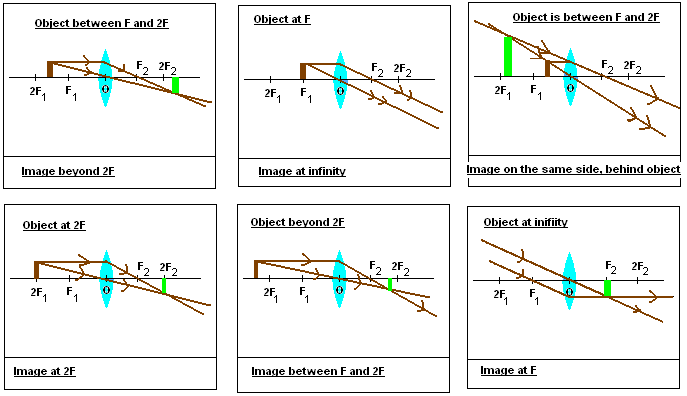
Ray Diagrams for Convex Lens - Online Science Home Work
Solved Sketch a ray diagram for a biconvex lens with an ... Sketch a ray diagram for a biconvex lens with an object at the following distances. Draw a ray diagram using a ruler and compass to show the following: (a) p> 2f (b) 2fsp>f (c)p

Lesson Explainer: Drawing Ray Diagrams for Convex Lenses | Nagwa
Is this given ray diagram for a biconvex lens correct? The rays on the diagram are roughly correct. An object in a plane at distance 2 f from the optical centre of the lens should form an image on the plane at a distance 2 f from the optical centre but to the other side of the lens. You can show this by putting u = 2 f into the equation 1 u + 1 v = 1 f [real-is-positive convention]
If an object is placed at the focus of the convex lens, where ...
oPhysics Description Simulation of image formation in concave and convex lenses. Move the tip of the "Object" arrow to move the object. Move the point named " Focus' " to change the focal length. Move the point named " Focus' " to the right side of the lens to change to a concave lens.
Ray tracing diagram for convex lens
Concave and Convex Lenses - Image Formation | Curvature ... When a ray, parallel to the principal axis strikes concave or convex lenses, the reflected ray passes through a focus on the principal axis. When a ray, passing through focus strikes concave or convex lenses, the reflected ray will pass parallel to the principal axis. Image Formation by Concave and Convex Lenses: Convex Lenses
Ray diagrams
Will give brainliest and 40 points! a ray diagram is shown ... a ray diagram is shown. a tree is an object in front of a biconvex lens. there is a light ray parallel to the principal axis and is bent through f. there is a light ray straight through the center of the lens that is not bent. they intersect at a point on the image side of the lens that is farther than 2 f away from the lens. and very far from ...

ejss_model_newtonscadlerealwee
Convex Lens - Uses, Examples, Definition, Ray Diagram, Formula If those surfaces are bent outwards, the lens is called a biconvex lens or simply convex lens. These types of lenses can converge a beam of light coming from outside and focus it to a point on the other side. This point is known as the focus and the distance between the center of the lens to the focus is called the focal length of convex lens.
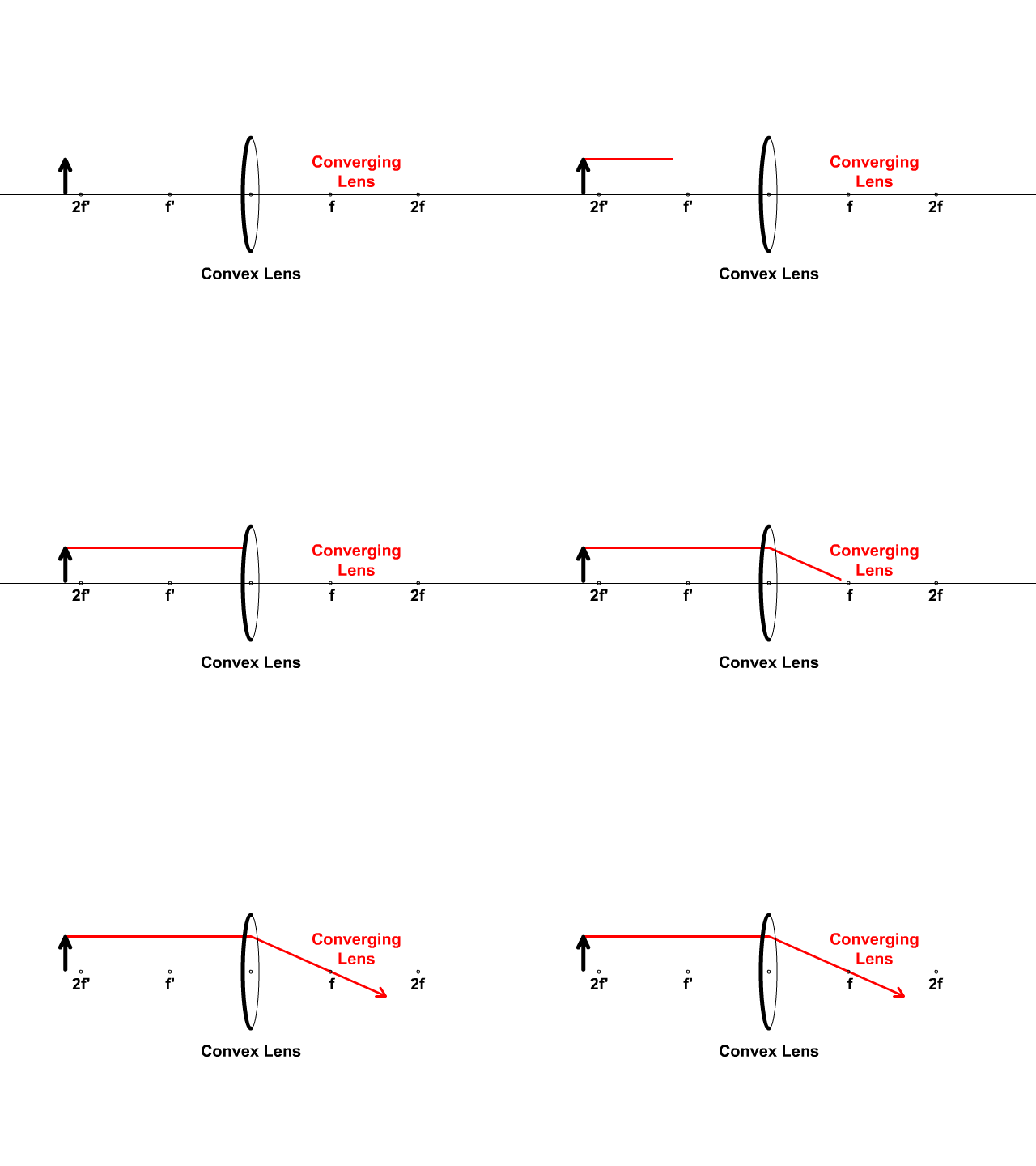
Lenses - StickMan Physics
Ray tracing diagram for convex lens | Physics | Optics ... Wikipedia] The example "Ray tracing diagram for convex lens" was created using the ConceptDraw PRO diagramming and vector drawing software extended with the Physics solution from the Science and Education area of ConceptDraw Solution Park. Ray Diagram Of Biconvex Lens. ...
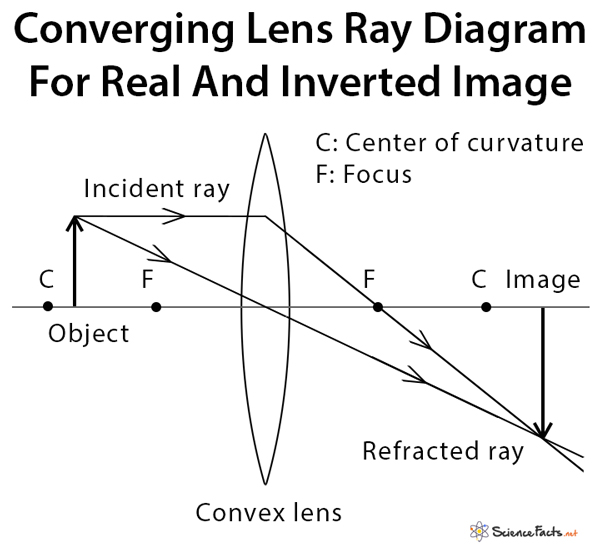
Converging Lens: Definition, Diagram, Equation & Application
A biconvex lens with its two faces of equal radius of ... a) Using the Len's maker's formula, we have Let feq is the equivalent focal length of the combination, then b) For, the combination of lenses to behave as diverging lens, equivalent focal length < 0. c) For the combination of lenses will behave as converging lens. An object placed far from the lens will form image at the focus of the lens. Image formed is real and diminished in nature.

Lesson Explainer: Drawing Ray Diagrams for Convex Lenses | Nagwa
A thin bi-convex lens made out of a material of refractive i A thin bi-convex lens made out of a material of refractive index μ1. . is placed in a medium of refractive index. μ. 2. . . A paraxial beam of light, parallel to the principal axis of the lens, is shown in the figure. Based on the ray diagram, we can conclude that.

Constructing a ray diagram for a convex lens, based on ray ...
Ray tracing diagram for convex lens | Ray tracing diagram ... Ray tracing diagram for convex lens "In physics, ray tracing is a method for calculating the path of waves or particles through a system with regions of varying propagation velocity, absorption characteristics, and reflecting surfaces. Under these circumstances, wavefronts may bend, change direction, or reflect off surfaces, complicating analysis.
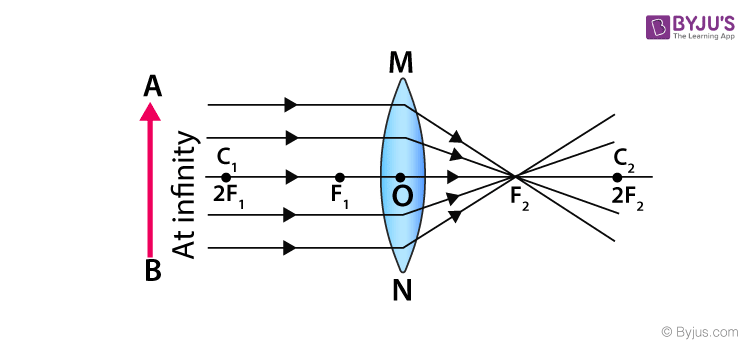
Concave and Convex Lenses - Image Formation | Curvature & Focus
Simplest Way To Draw Ray Diagrams For Convex Lenses ... How to draw perfect Concave & Convex lenses with pencil and Compasshttps:// for Image formation in concave & con...
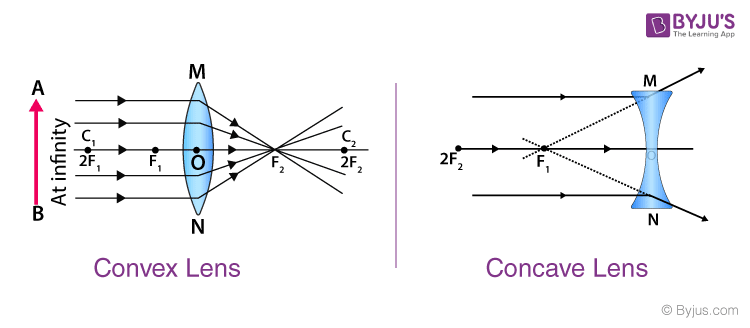
Concave and Convex Lenses - Image Formation | Curvature & Focus
Biconvex lenses - Physics classroom Treating this and drawing ray diagrams for a biconvex lens is essentially two refractions (one on the way into the lens and the other on the way out) along curved surfaces. So let's look at the steps necessary to draw the ray diagram for light going through a lens. First the incident ray travels to the lens at an angle θi
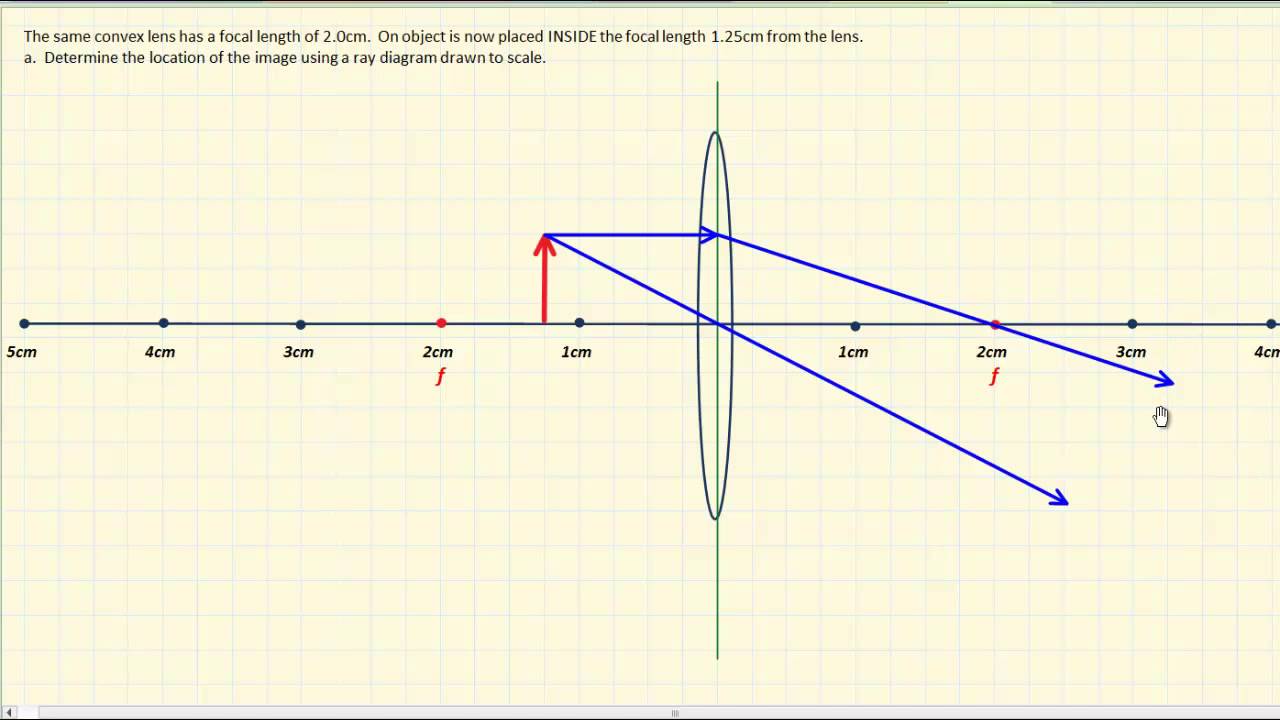
Convex Lens Ray Diagram - Virtual Image
a 6. (10 pts) A bi-convex (convergent) lens has a | Chegg.com a 6. (10 pts) A bi-convex (convergent) lens has a focal length of 15 cm. a) If 2-cm high object is placed at 12 cm in front of the lens what would be the height of the image? b) Draw a ray diagram. c) Can the image be cast on a screen?
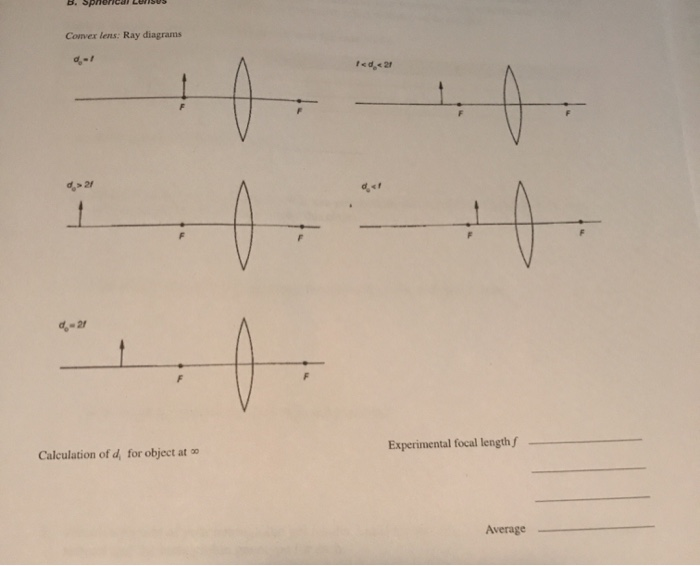
B. Sphoricar LUISUS Convex lens: Ray diagrams 140,21 | Chegg.com
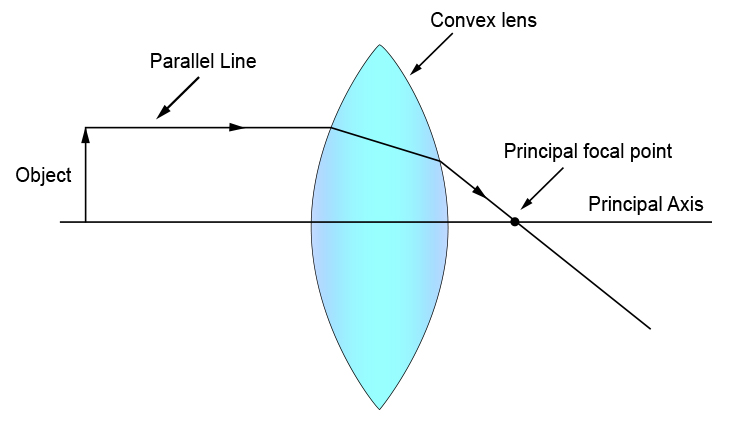
Method for drawing ray diagrams - convex lens

The Photons Of Light Then Travels In All Directions - Simple ...

Determining Focal Lengths of Concave and Convex Lenses ...

Ray-tracing of a beam in a plano–convex lens. | Download ...
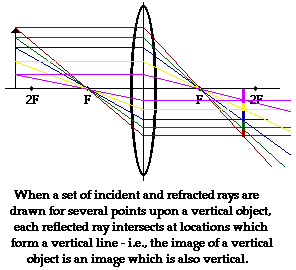
Physics Tutorial: Refraction and the Ray Model of Light
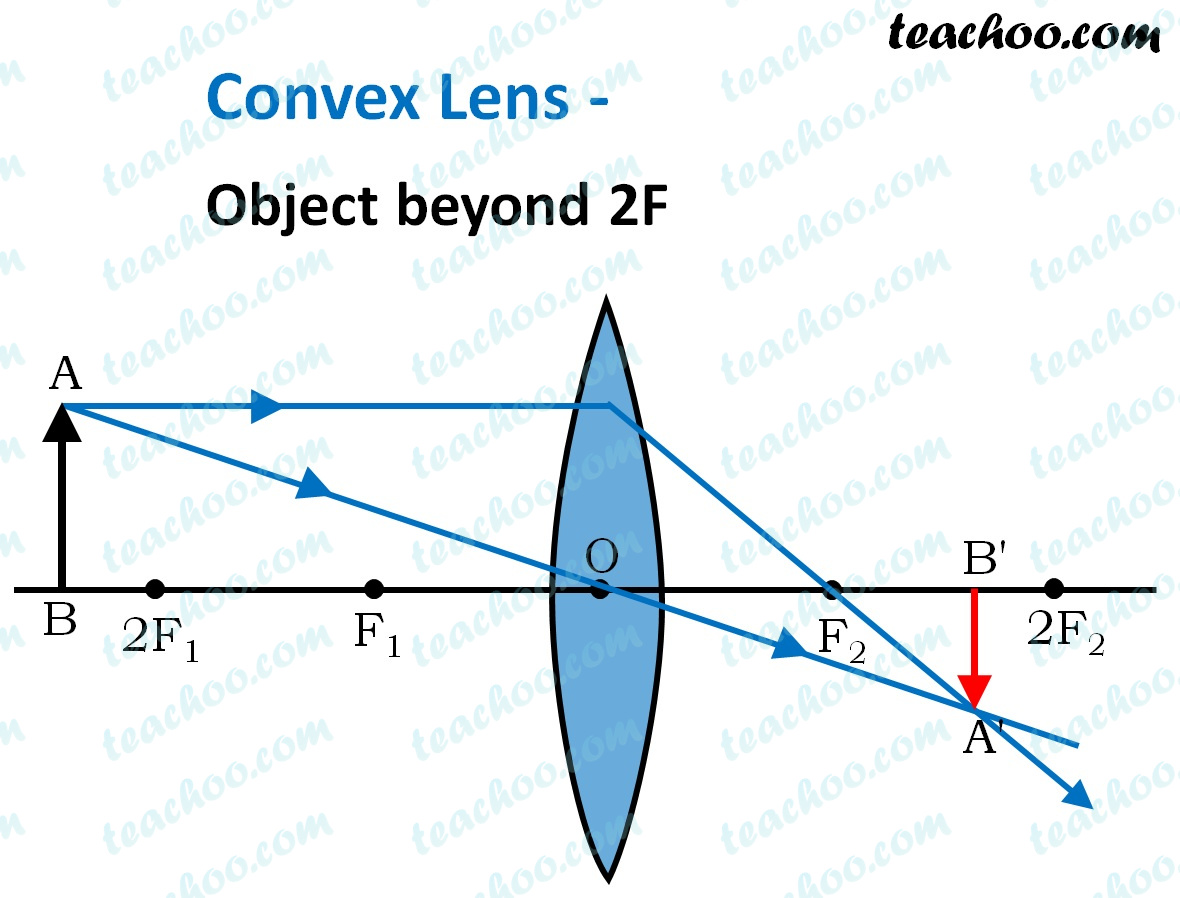
Convex Lens - Ray diagram, Image Formation, Table - Teachoo
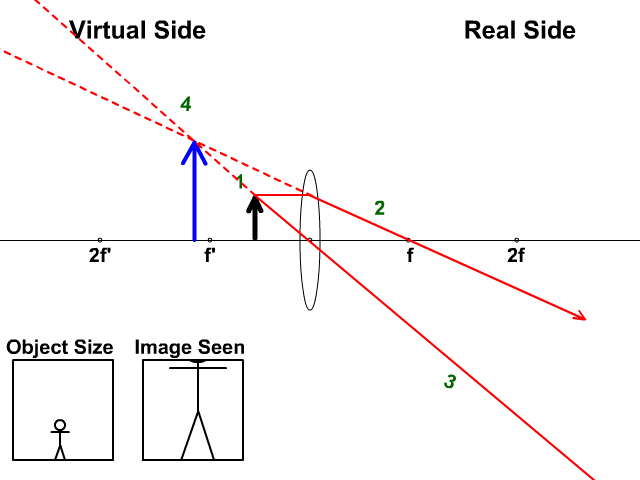
Lens Ray Diagram Practice
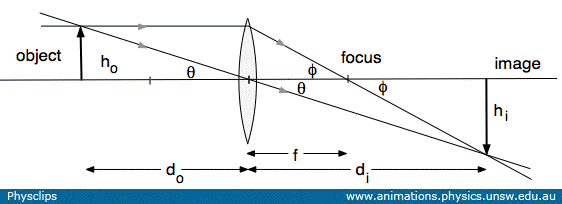
Lenses and images: Physclips - Light

Ray diagrams for image formation of (a) converging (bi-convex ...
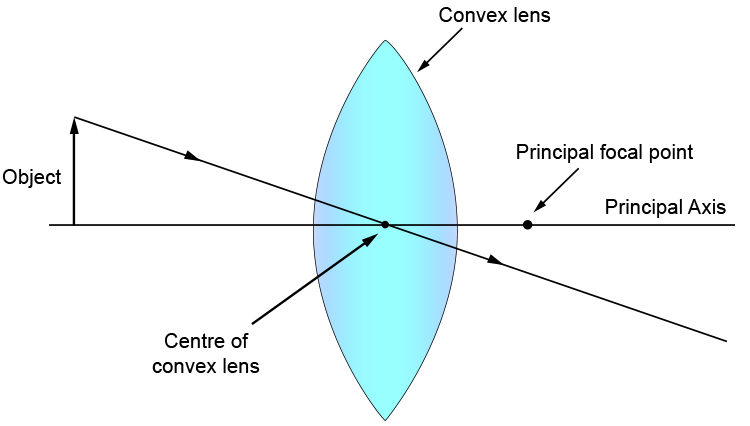
Method for drawing ray diagrams - convex lens
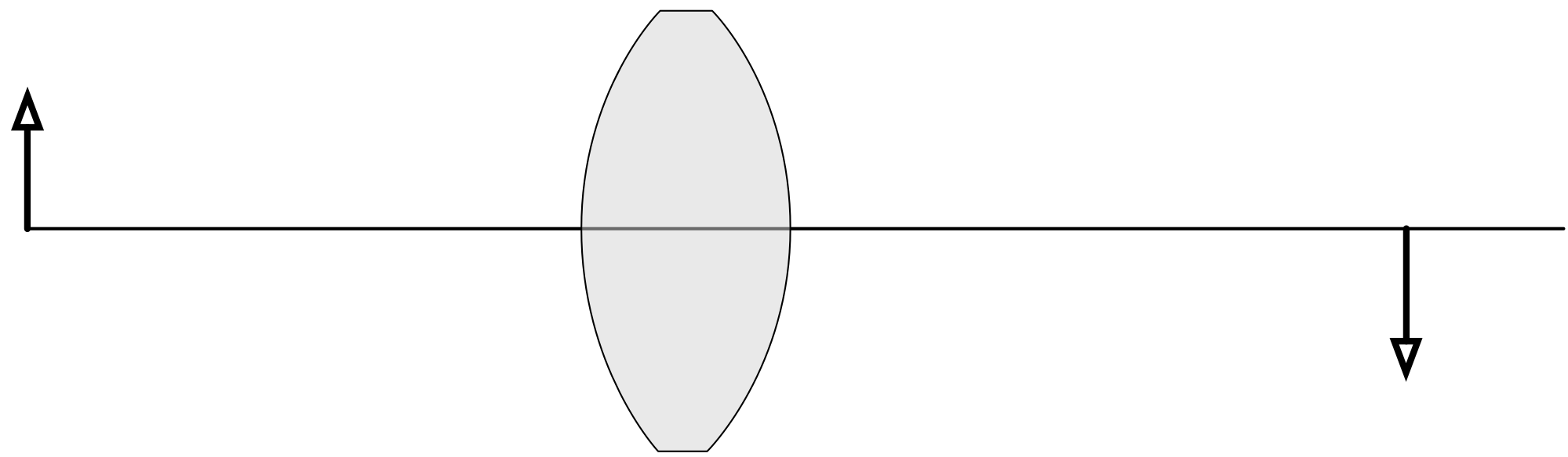
simple
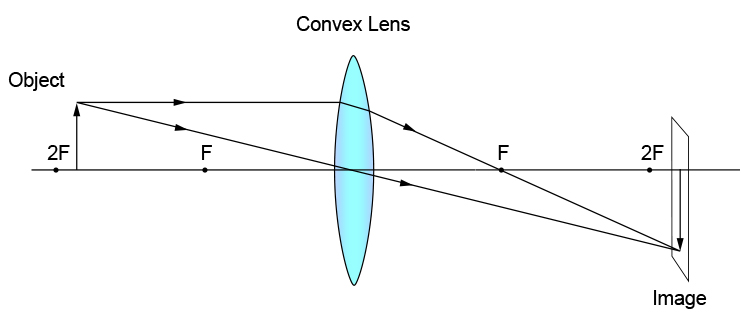
Convex lens - object between `2F` and `F`

The Open Door Web Site : IB Physics : OPTICS : RAY DIAGRAMS ...

Image formation by convex and concave lens ray diagrams

Simplest Way To Draw Ray Diagrams For Convex Lenses | Grade 10-12
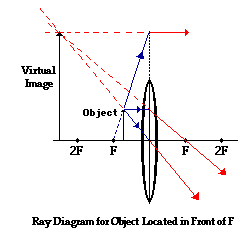
Physics Tutorial: Refraction and the Ray Model of Light

16.3 Lenses | Texas Gateway
Plano-Convex Lens | bartleby
Convex Lens - Key Stage Wiki

optics - Calculated focus of an asymmetric bi-convex lens ...
Double Convex Lenses | CK-12 Foundation

The Open Door Web Site : IB Physics : OPTICS : RAY DIAGRAMS ...
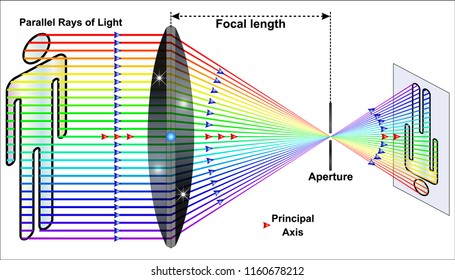
Diagram Convex Lens Diagram Light Ray Stock Vector (Royalty ...

An object is 10 cm away from a lens with a -15 cm focal ...

Method for drawing ray diagrams - convex lens
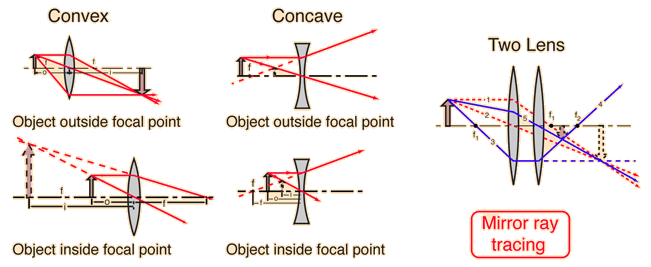
Ray Diagrams for Lenses


Comments
Post a Comment